Round Trip
0.8 miles
1.3 kilometers

Elevation Gain
The total amount of vertical ascent (uphill climbing) on a hike. This is cumulative gain, totalling the elevation change of the uphill segments from a round-trip hike.
50 feet
15.2 meters

Route Type
A hiking trail may be classified as a Loop, Out and Back, Point to Point, Bushwhack, or Multi-day Thru Hike, with some destinations having more than one of these ways as a hiking option.
  • Loop
Round Trip
0.8 miles
1.3 kilometers

Route Type
A hiking trail may be classified as a Loop, Out and Back, Point to Point, Bushwhack, or Multi-day Thru Hike, with some destinations having more than one of these ways as a hiking option
  • Loop
Elevation
The height of the summit or destination, from sea level.
Elevation Gain
The total amount of vertical ascent (uphill climbing) on a hike. This is cumulative gain, totalling the elevation change of the uphill segments from a round-trip hike.
50 feet
15.2 meters

Round Trip
0.8 miles
1.3 kilometers

Route Type
A hiking trail may be classified as a Loop, Out and Back, Point to Point, Bushwhack, or Multi-day Thru Hike, with some destinations having more than one of these ways as a hiking option
  • Loop
Elevation
The total amount of vertical ascent (uphill climbing) on a hike. This is cumulative gain, totalling the elevation change of the uphill segments from a round-trip hike.
Elevation Gain
The total amount of vertical ascent (uphill climbing) on a hike. This is cumulative gain, totalling the elevation change of the uphill segments from a round-trip hike.
50 feet
15.2 meters

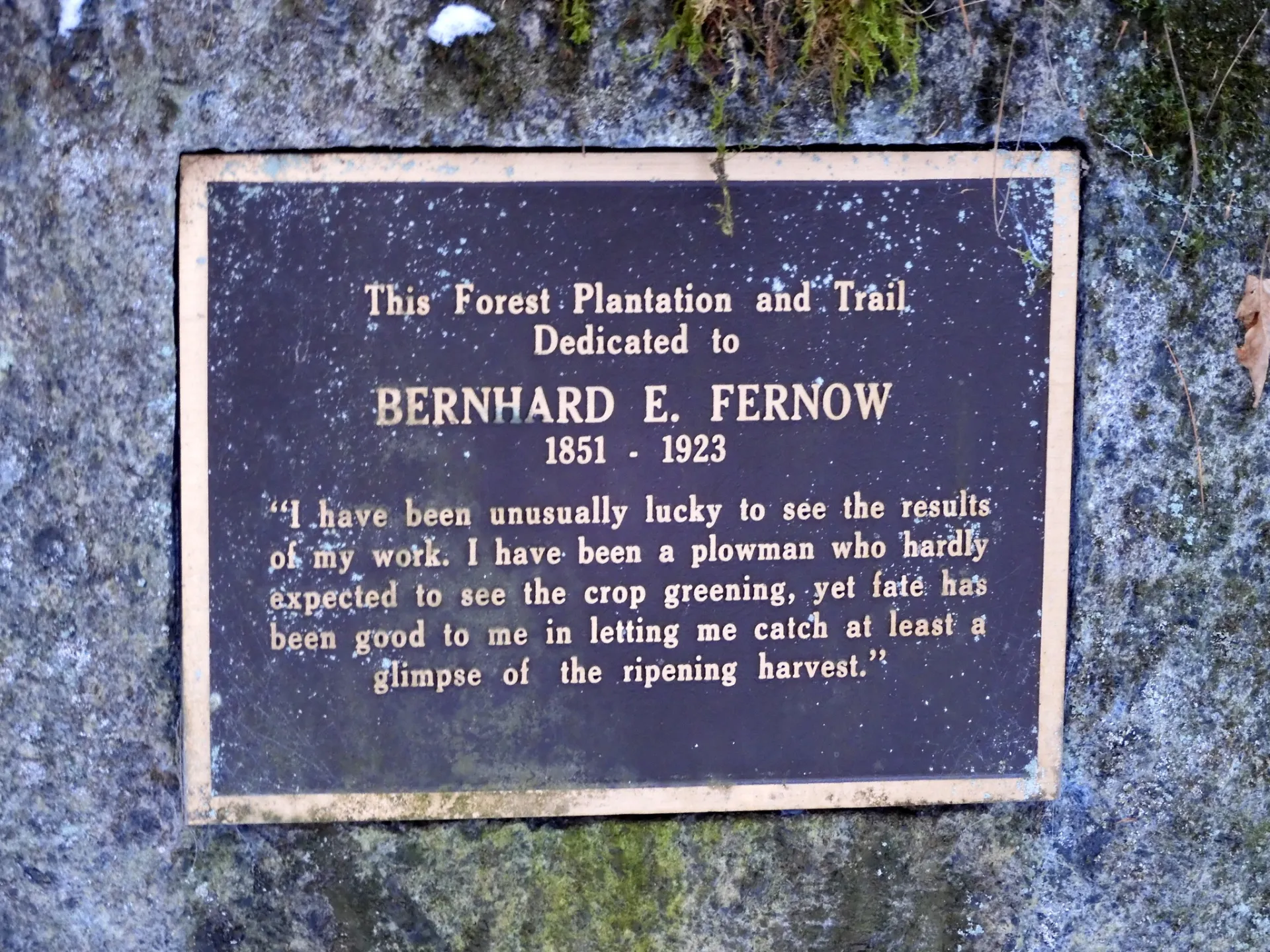
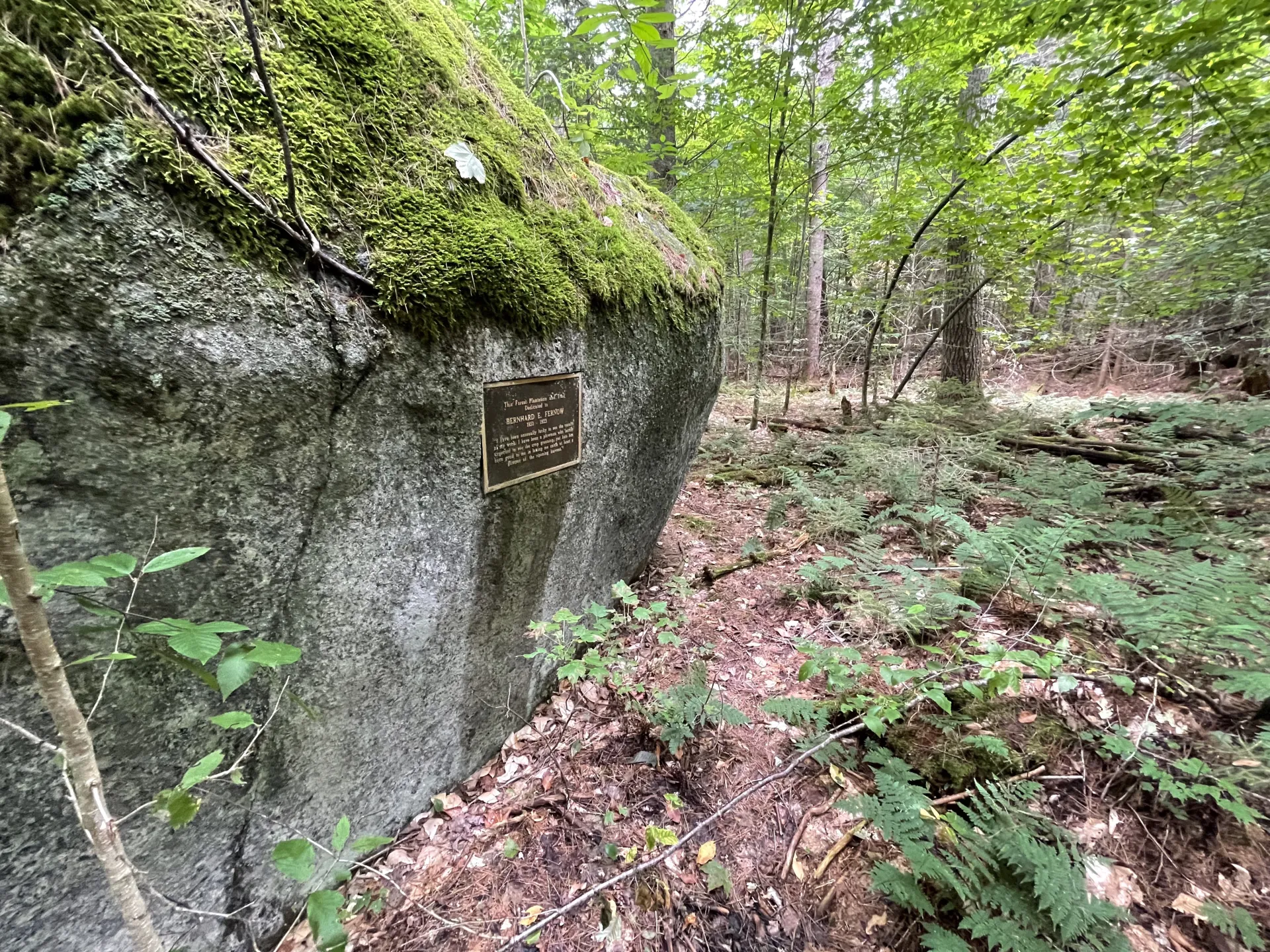
A metal plaque on a rock for B. Fernow.
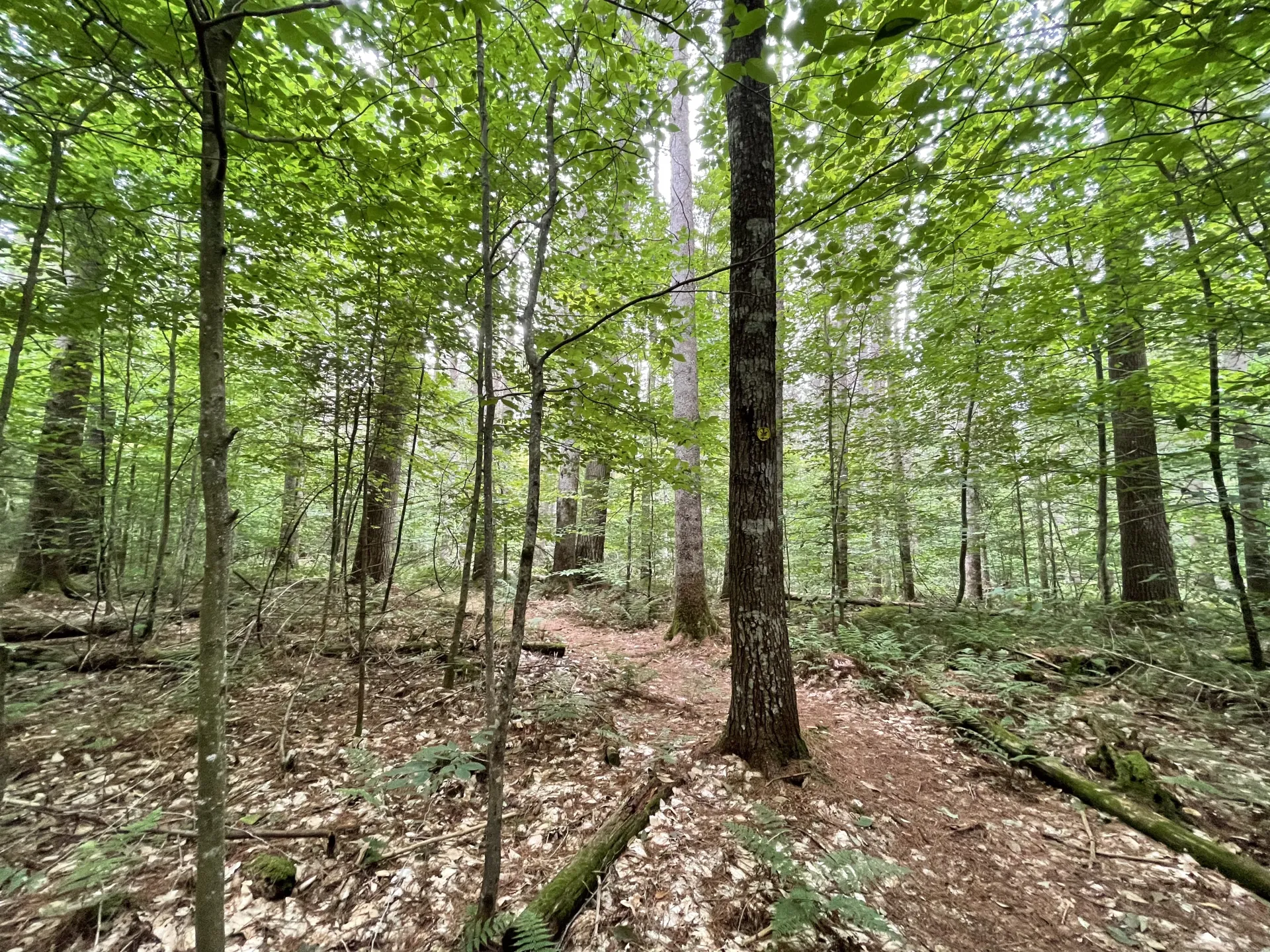
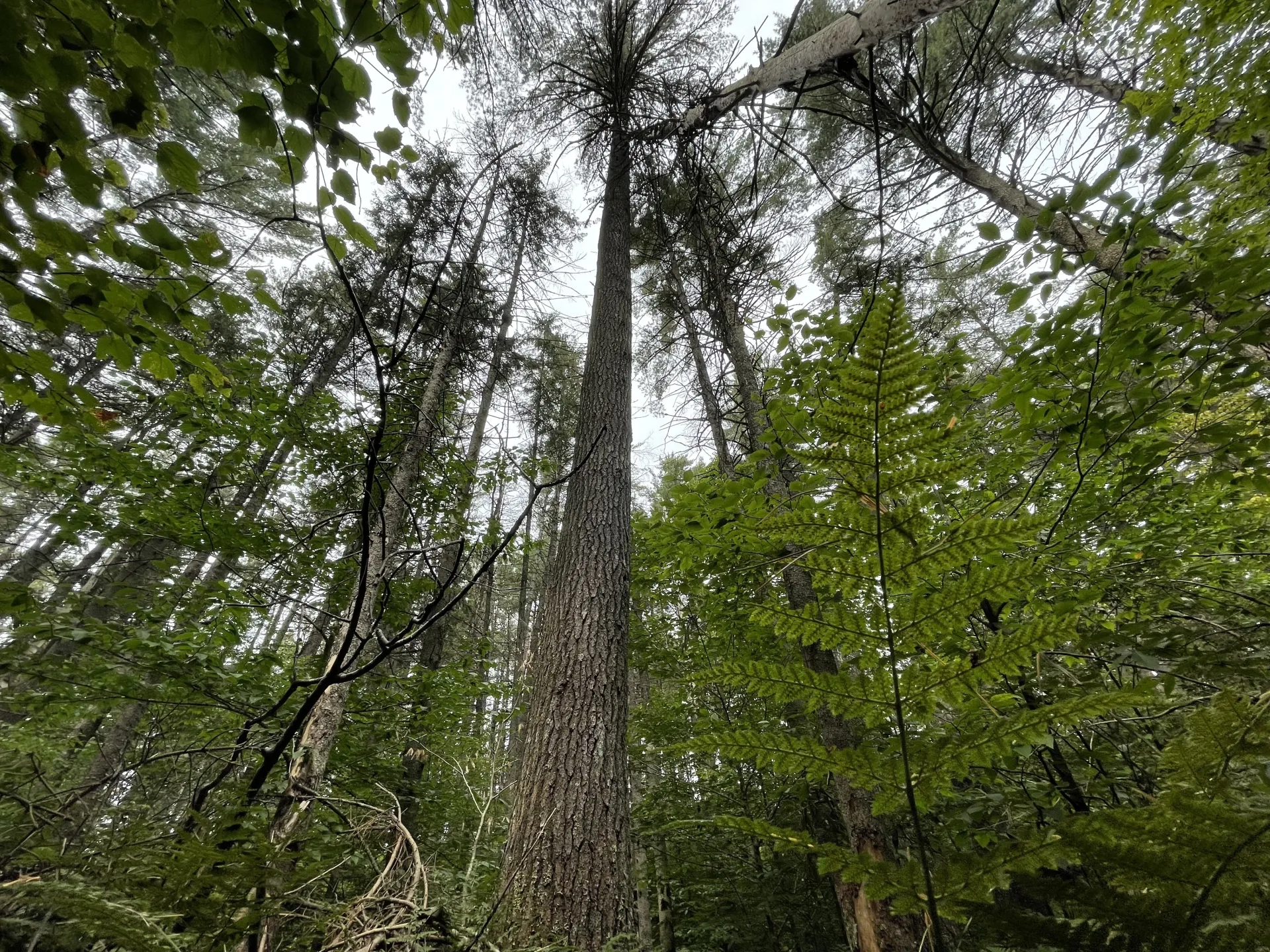
An open forest.
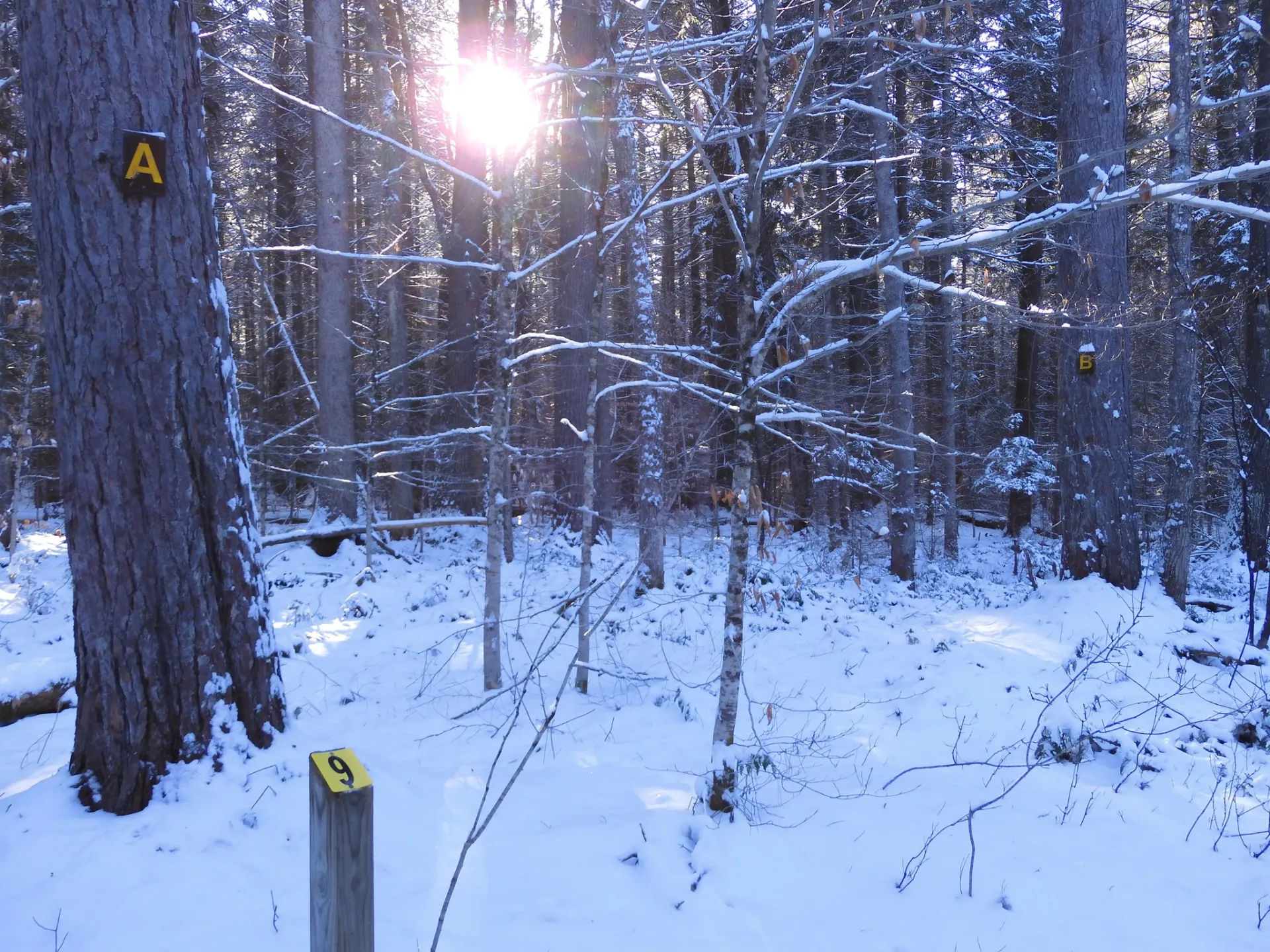
Fernow Forest Winter
View all photos
trail highlights
trail features
trail category
Trail Junctions
Short

About

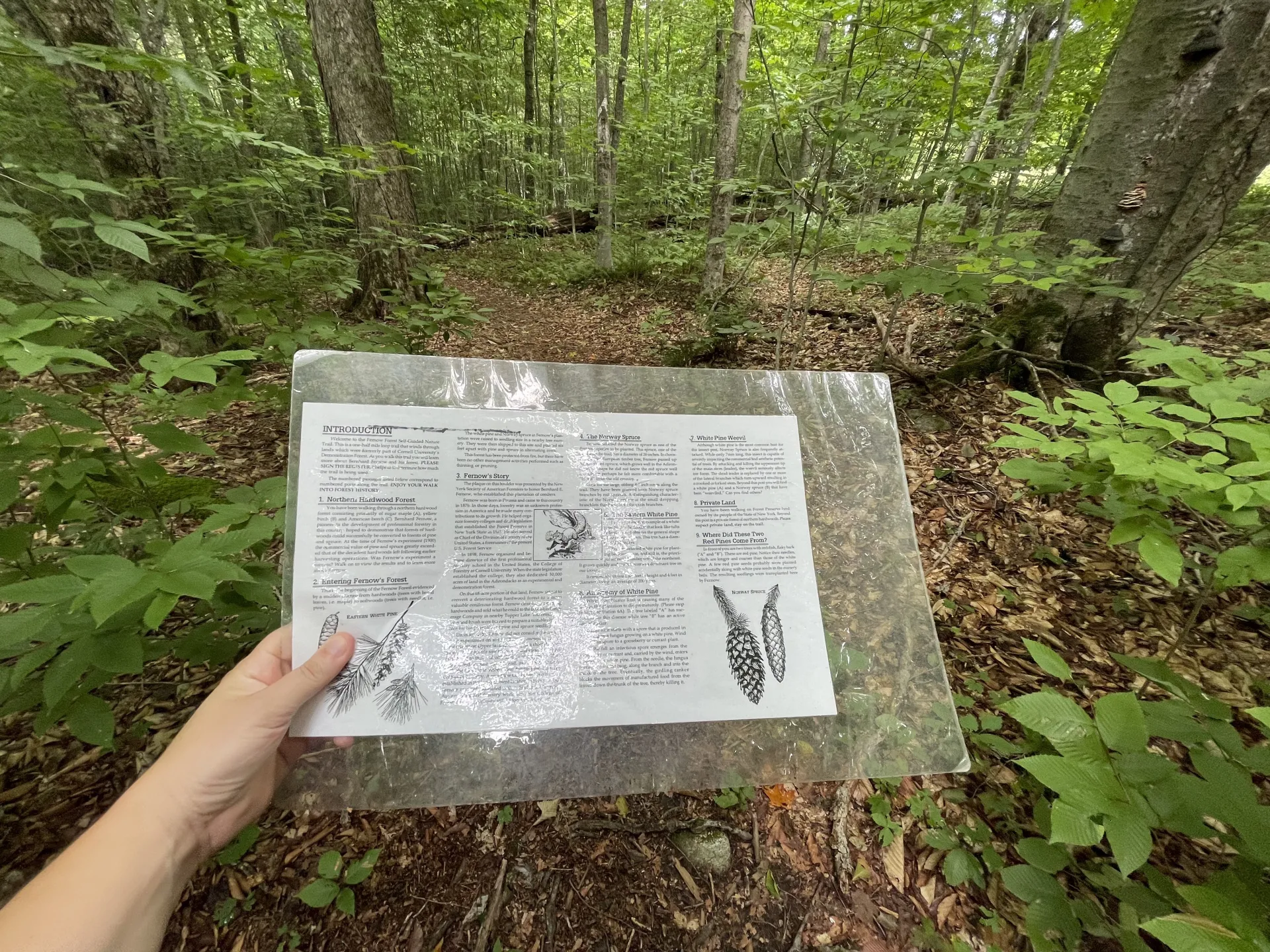
Fernow Trail, also known as the Fernow Plantation Loop, was named after Bernhard Fernow. He was one of the fathers of modern forestry and the first chief of the US Forest Service. Look for brochures in the register box for information which corresponds with numbered stations along this easy interpretive trail.

Key takeaways

  • Distance: 0.8 miles round trip
  • Elevation gain: Less than 50 feet

Hiking the Fernow Trail

This is a great place to see wildlife, in any season. Deer frequent the area. This trail commemorates the earliest efforts at professional forest management in this country. Be sure to pick up an informational pamphlet at the beginning of your hike. The trail runs through a mixed forest of mostly evergreens, and was designed in a lollipop loop formation, so you can loop back to your car. The trail enters the forest and goes through a large stand of spruce and pines. At just over 0.2 miles the trail splits, heading right you can continue on a level course in a counter-clockwise direction. In under one a half mile you will be back at the intersection near a large glacial erratic.

Fernow Trail in the winter

This loop trail makes for an excellent introduction to snowshoeing or cross-country skiing, and is suitable for the entire family. As you enter the trail you soon come to the trail register, be sure to sign in. Once you start out the trail moves ever so gently through the forest with only small rolling hills. Large stands of pine tower over you as the open forest is easy to see through. A tight canopy makes the snow a bit thinner in spots. For best snowshoeing conditions wait until later in the season. Although it is a short trip, it's important to be prepared for all winter conditions.

Explore more trails

Looking to hike some more? We can help you find more unique trails!

How to get there

From downtown Saranac Lake, head west on Route 3 toward Tupper Lake. Turn right onto Route 30 toward Fish Creek. Continue for 1.1 miles to the trailhead parking on the left. Once on the trail, keep to the right to follow your route in back to the trailhead.

Emergency Information
If you get lost or injured, remain calm and stay put. If you have cell service, call 911 or the DEC Forest Ranger Dispatch, 833-NYS-RANGERS (833-697-7264).
 
Plan ahead and hike smart. Bring a map, extra food, water, and warm clothing, and check the weather before you go. Stay aware of your surroundings and landmarks. If you get turned around, don’t panic—stop, think, and stay where you are. Let someone know your route and expected return time.
×