Explore Our Story
History
Meet Saranac Lake
History and heritage
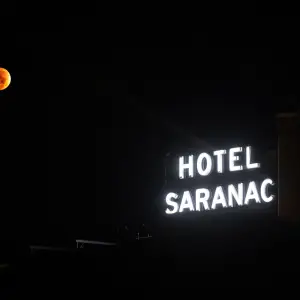
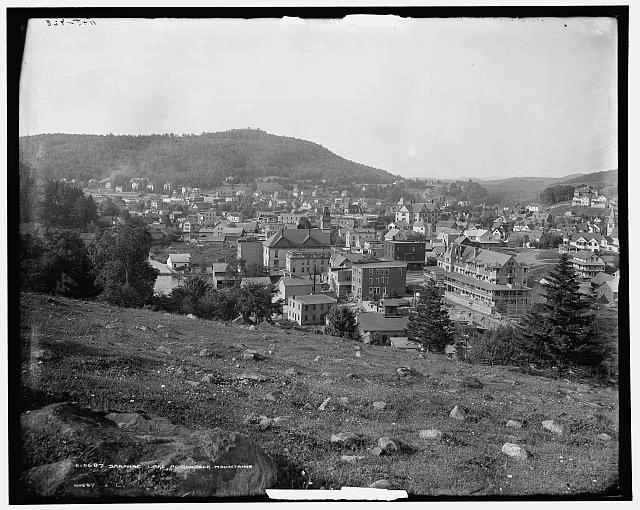
Originally settled in 1819 when a farmer, trapper, and guide by the name of Jacob Smith Moody became the first permanent settler in the area, Saranac Lake looked much different than it does today. Besides the obvious lack of shops and art galleries, the Saranac River wouldn't be dammed to create what would come to be known as Lake Flower until 1827. Today you can enjoy an array of fascinating historical sites, museums, tours, and special events. Stay at the carefully restored Hotel Saranac, a unique 1920s hotel in the heart of downtown Saranac Lake.
Historic sites and stops
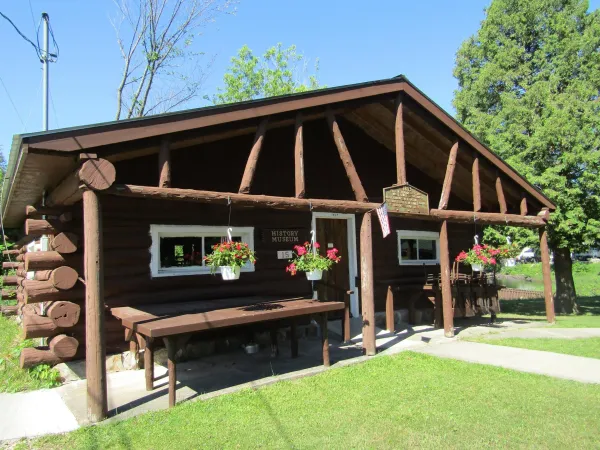
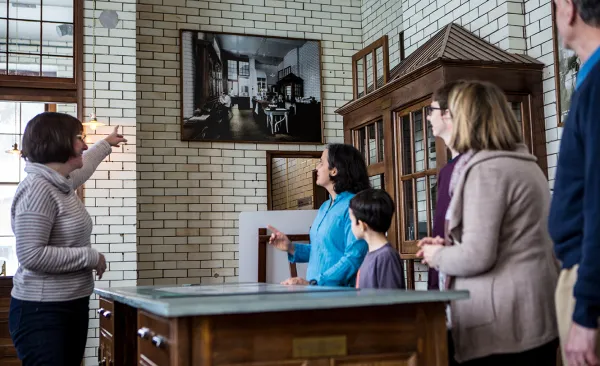
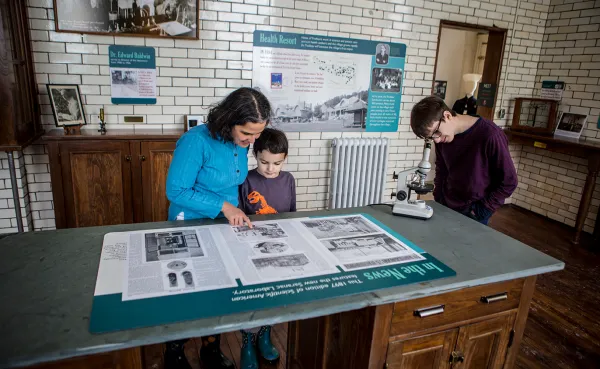
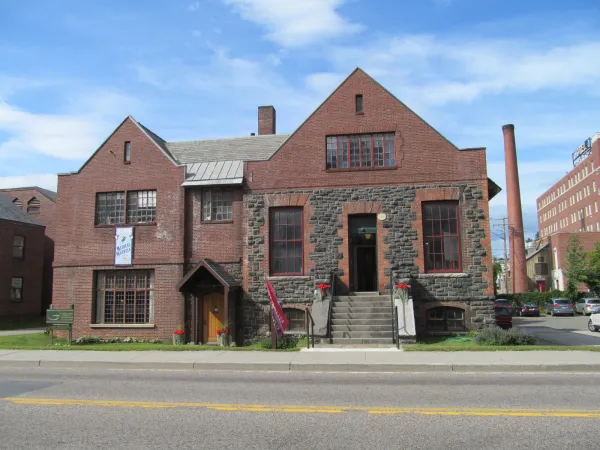
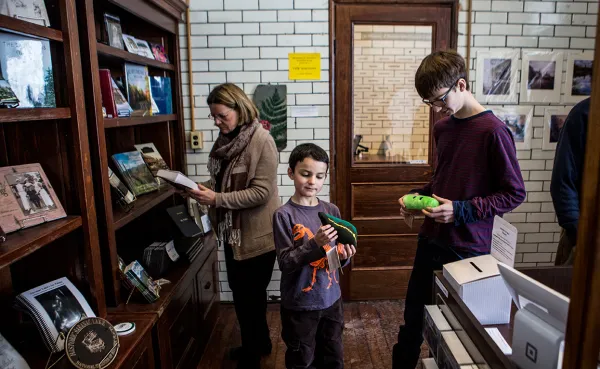
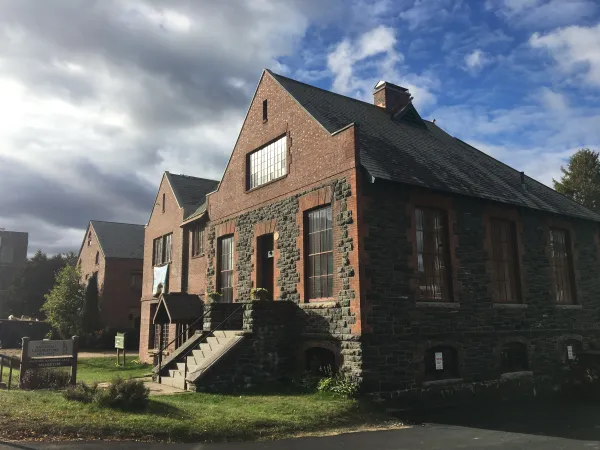
Before Saranac Lake became the popular outdoor recreation and heritage tourism destination it is today, it was once a world-famous health resort and center for scientific research. Historic Saranac Lake operates the Saranac Laboratory Museum in downtown Saranac Lake. Built in 1894, as the first laboratory built for the study of tuberculosis (TB) in the United States, the museum is open year-round with permanent and temporary exhibits. Historic Saranac Lake hosts regular summer and fall tours of various historic sites, including the former Trudeau Sanatorium property, and the Bartok Cabin, where Hungarian composer Béla Bartók spent the last summer of his life. You can explore the historic downtown with a self-guided walking tour.
Other interesting historic sites include the Robert Louis Stevenson Cottage and the Six Nations Iroquois Cultural Center in Onchiota.
The first people
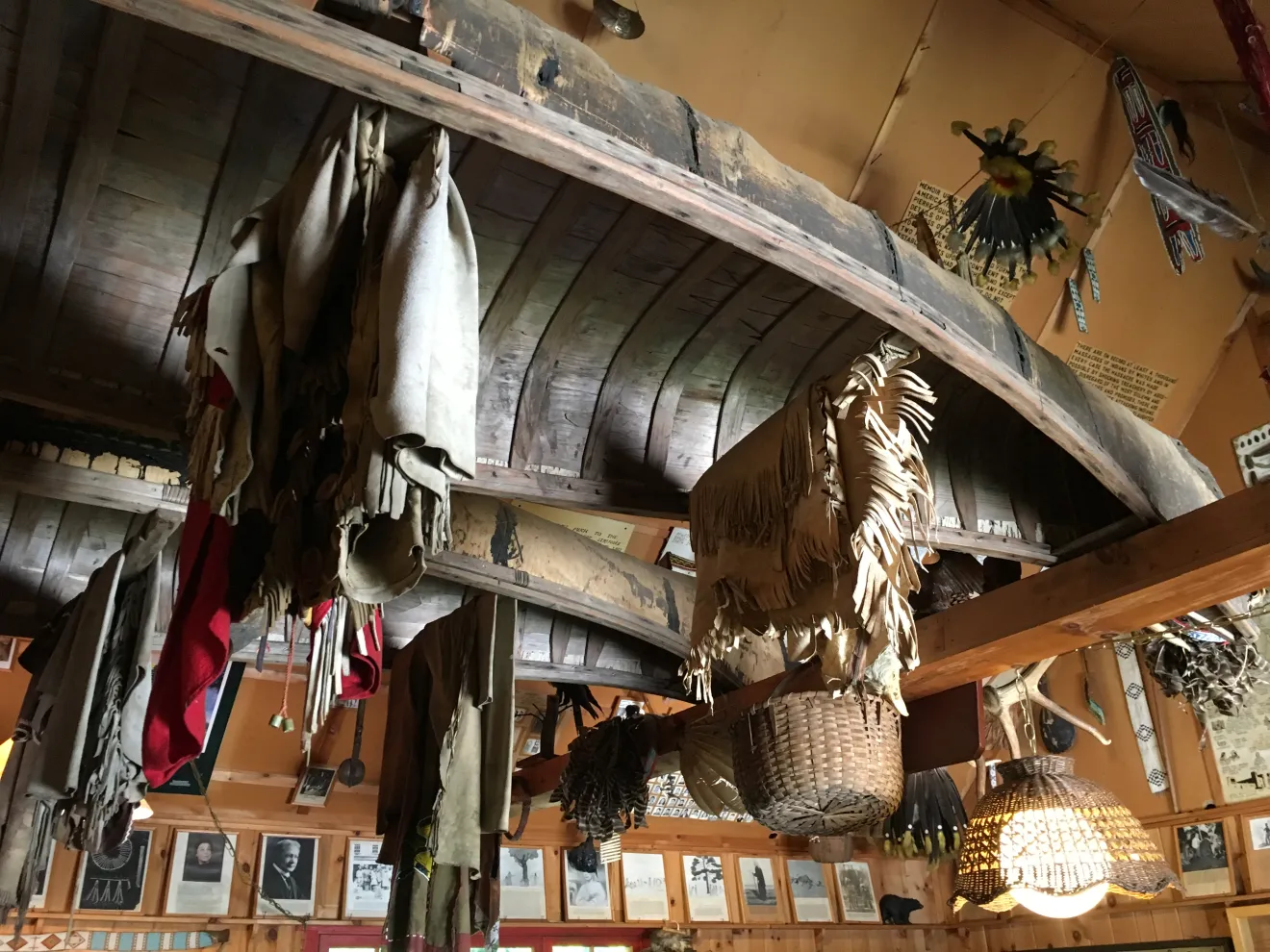
The Adirondack region was initially used by Indigenous people to hunt and trap. It is thanks to these early inhabitants that this region is now called the "Adirondacks," meaning "bark eaters." The area was well utilized by the Kanien'kehá:ka, the Mohawk, for thousands of years.
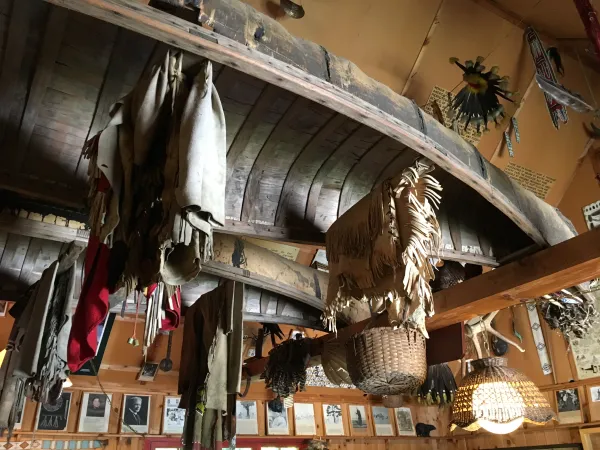
That history is told in Onchiota, at the Six Nations Iroquois Cultural Center, which also celebrates the Indigenous people who still call the Adirondacks home. Visit the center in the summer to hear storytelling, attend special events, and shop for Indigenous art.
An outdoor legacy
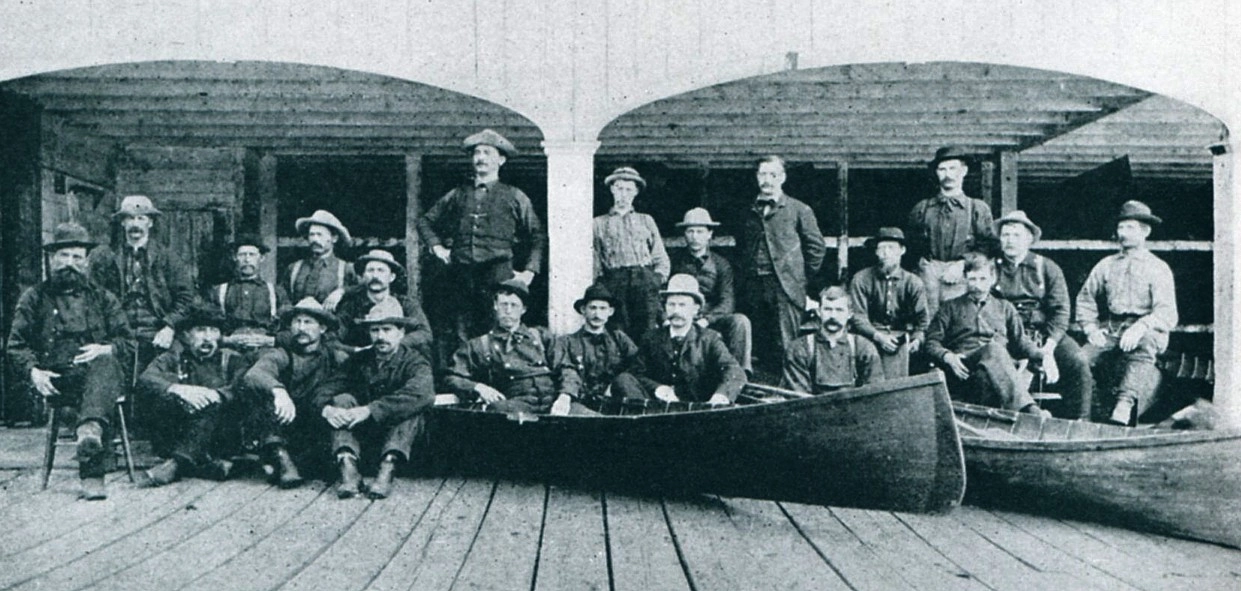
In 1859, Apollos Austin Smith - known as "Paul" - opened a hotel on Lower St. Regis Lake. The hotel became well known as "Paul Smith's." One of his early guests was Theodore Roosevelt, before his rise in politics. Roosevelt's stay in the area helped him become knowledgeable in environmental conservation, and he recognized the Adirondack Park as a great resource for forestry and wildlife.
Outdoor recreation became a mainstay of the region's economy and Paul Smith was hugely successful. He left his estate to his son, Phelps, who then left the entire estate in his will to fund a College named for his father. Today, more than a century later, Paul Smith’s College has a thriving campus, specializing in the culinary arts, hospitality, forestry, natural resources, and ecology.
The cure era
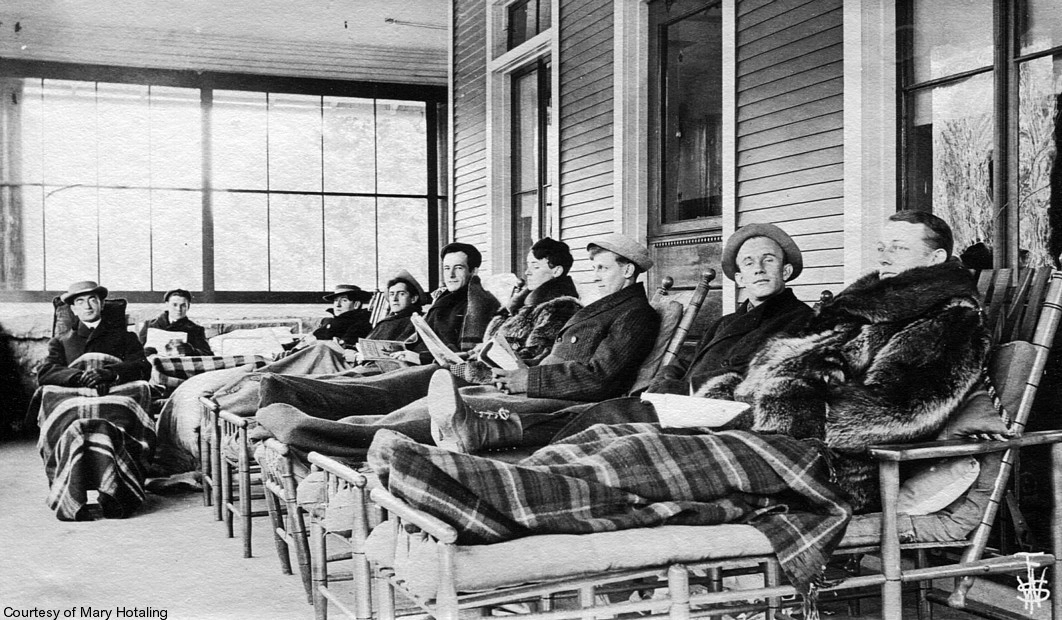
In the 1870s, Dr. Edward Livingston Trudeau came to the area very ill with tuberculosis. To his astonishment, his health improved. He soon established the United State's first successful tuberculosis sanatorium right here in Saranac Lake, New York, and made the village his home.
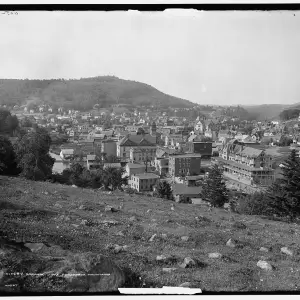
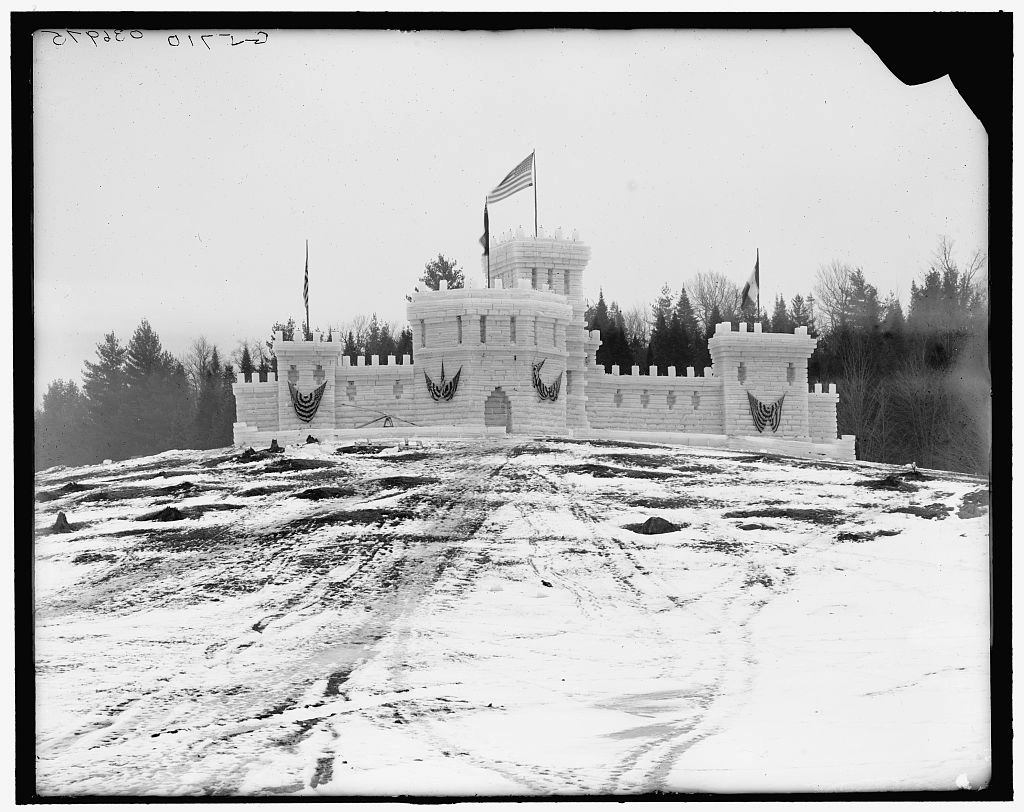
In 1887, author Robert Louis Stevenson came to Saranac Lake to be treated by Dr. Trudeau, and the first annual Saranac Lake Winter Carnival was held to bring entertainment to the many people recovering in the village. By the turn of the century, the village had grown into a prospering community and a fashionable destination - home to the world-renowned Trudeau Sanatorium, a dozen bustling hotels, and hundreds of local homes that catered to TB patients, known as "cure cottages."
The Great Camps
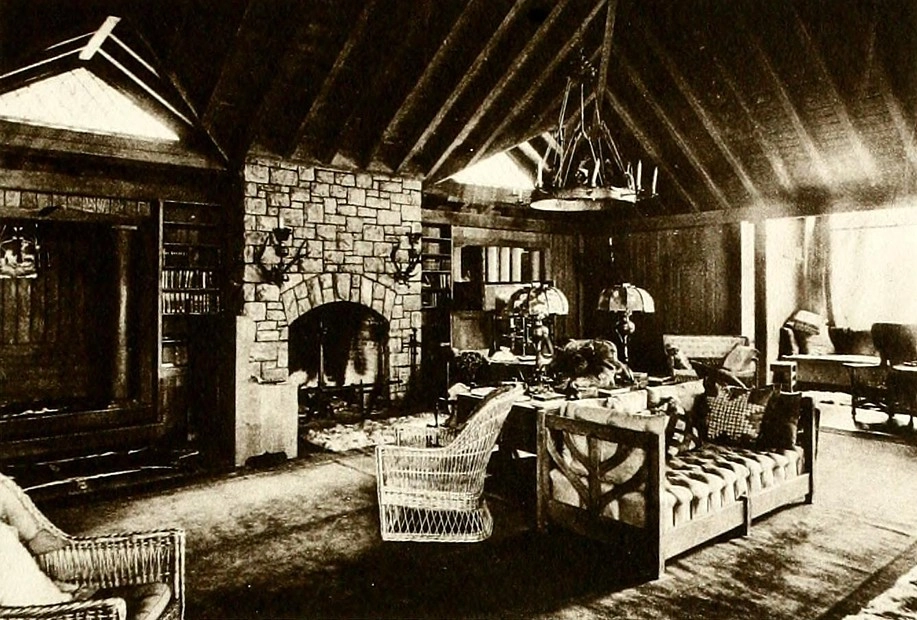
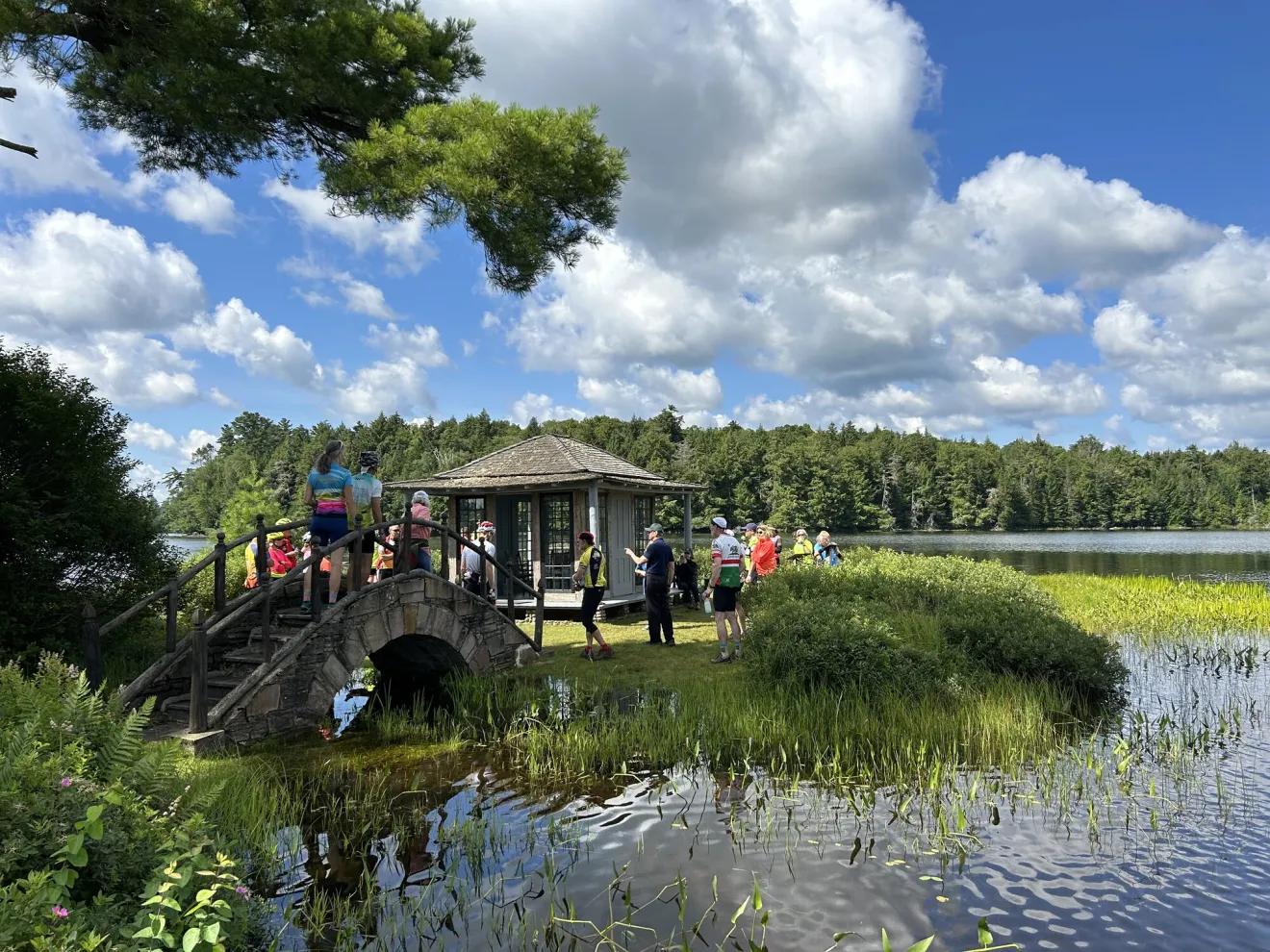
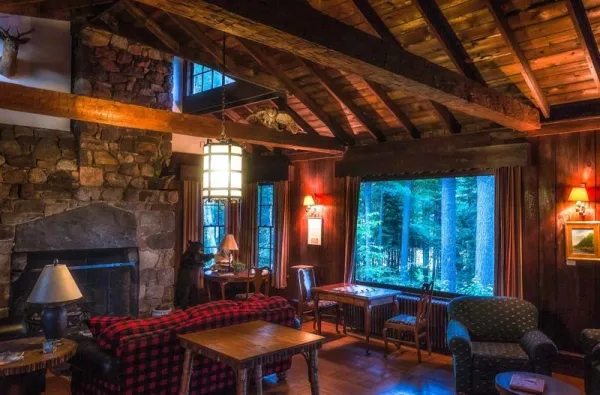
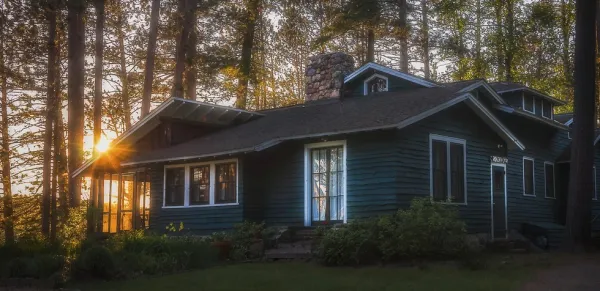
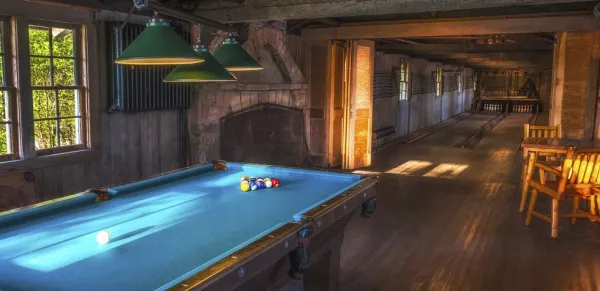
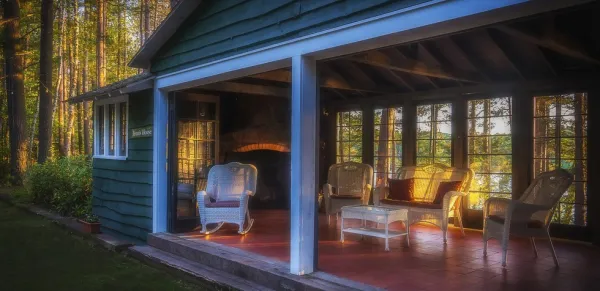
Wealthy families of the early 20th century discovered the beauty of the region and many built Adirondack great camps. They would invite their friends and families to spend memorable times in the Saranac Lake area. Among the many well-known families who owned local great camps were the Rockefellers, Posts, and Guggenheims. The camps were staffed by hundreds of locals and many stories have been passed down through the generations.

Famous visitors
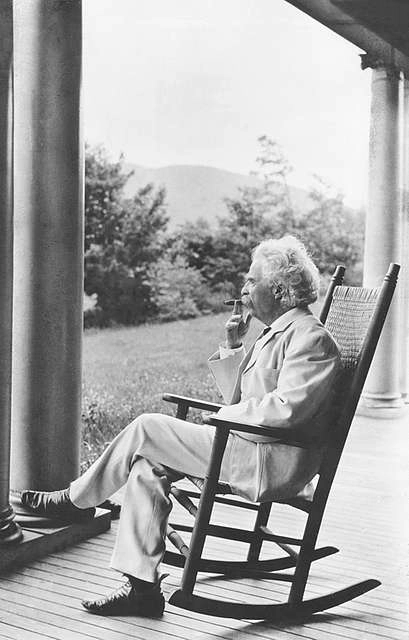
Over the years, many famous figures such as Mark Twain, baseball great Christy Mathewson, artist Winslow Homer, Jack Dempsey, Sylvia Plath, Albert Einstein, Somerset Maugham, poet Adelaide Crapsey, Bela Bartok, Veronica Lake, and presidents William Henry Harrison, Theodore Roosevelt, William McKinley, and Calvin Coolidge have come to Saranac Lake for rejuvenation of mind, body, and spirit. Some of them even lived here!
Today, as a guest of our village, you can immerse yourself in its past by taking in the historic architecture throughout the area or enjoying a walking history tour through the streets of Saranac Lake. There are many opportunities for tours and landmark events in which you can take part. We hope our village and its history will rejuvenate you and your family as it has for so many in the past.
Explore our history and historic sites
Browse all
More adventures