Avian Adventures
Birding
Birds of a feather
A year-round destination for birdwatchers
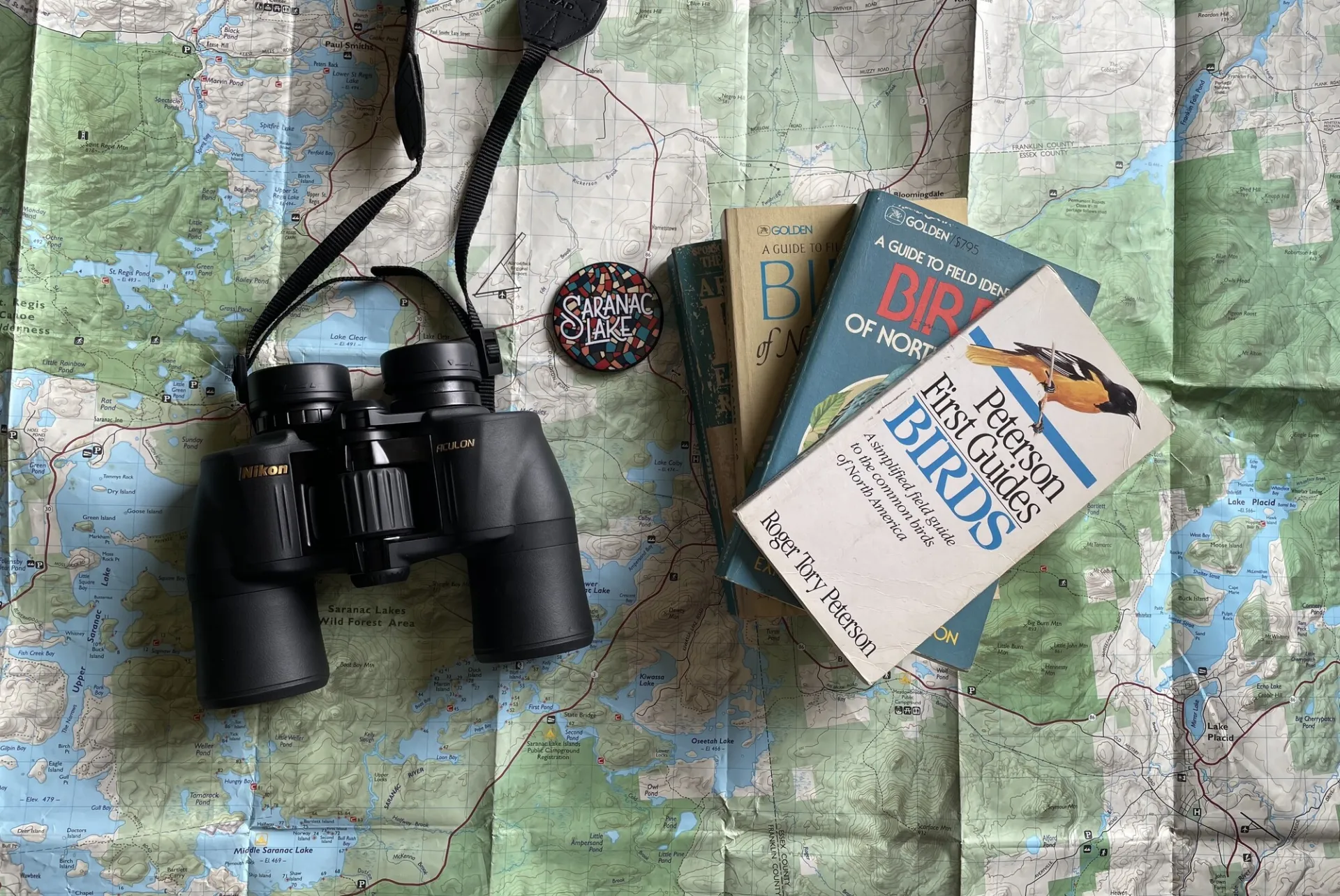
Saranac Lake is home to a wide variety of year-round bird species and during migration there is an exciting birding atmosphere. All this makes for great birding in any season! Whether you’re looking for boreal species, winter finches, or migrating waterfowl, you’ll be sure to find your target species here!
Diverse birds, diverse habitat
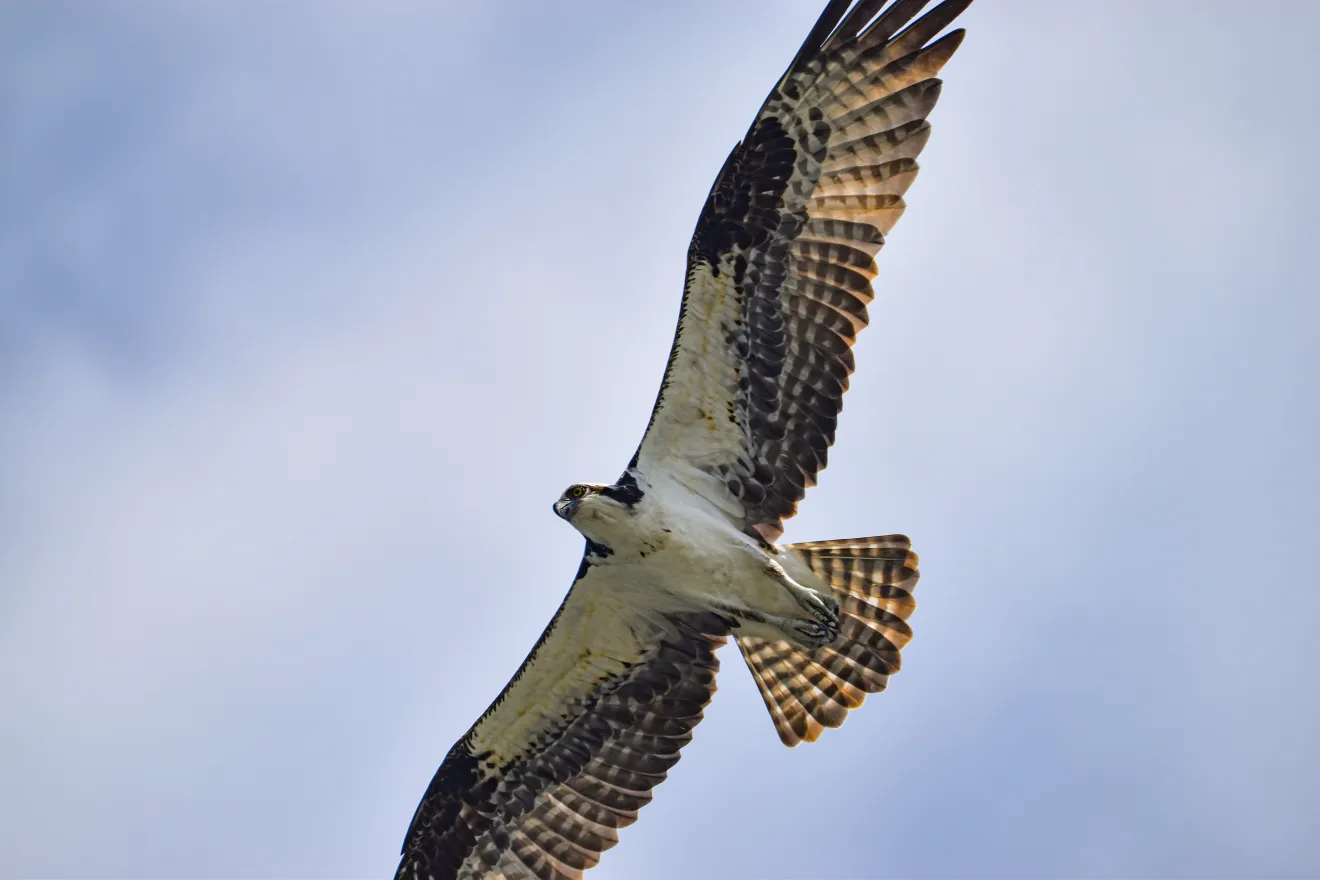
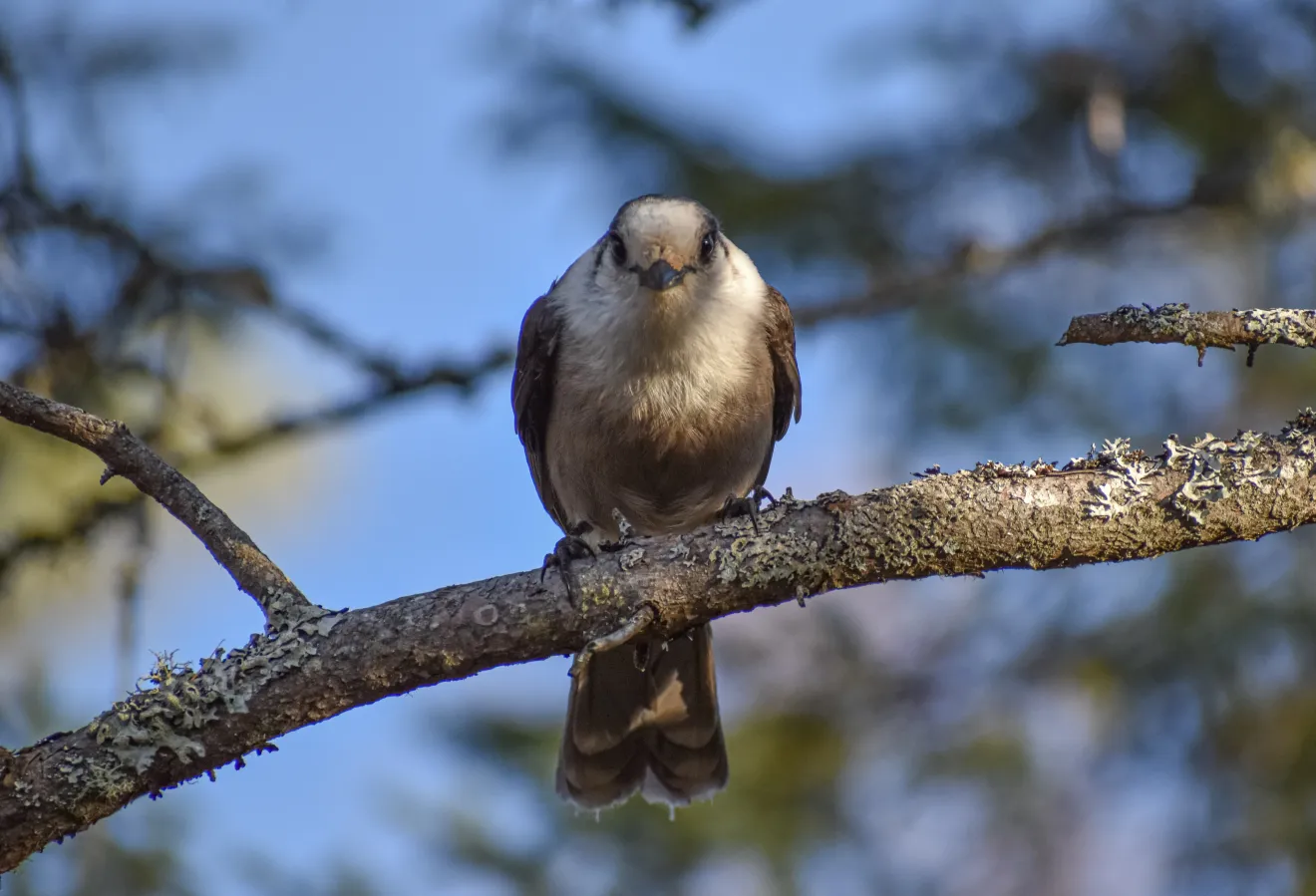
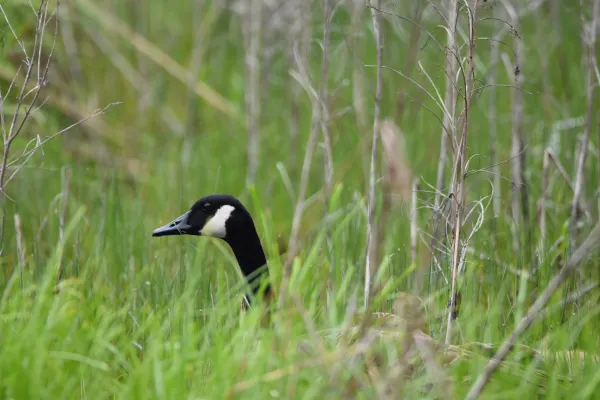
Have you ever seen a Black-backed Woodpecker? Or heard the bizarre call of an American Bittern? Or watched a Bald Eagle soar over a remote waterbody? Saranac Lake has all that, and more! Here, boreal forests, northern hardwoods, peatland bogs, swamps, marshes, and ponds all form a diverse tapestry of habitats. You’ll be able to find bird species from Hermit Thrushes to Northern Saw-whet Owls to Osprey. And the warblers are everywhere in the spring! Palm Warblers really light up the peatland bogs with their bright yellow feathers and equally colorful songs.
Find your next birding spot
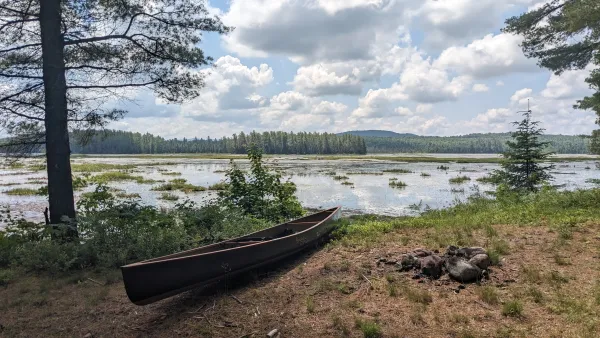
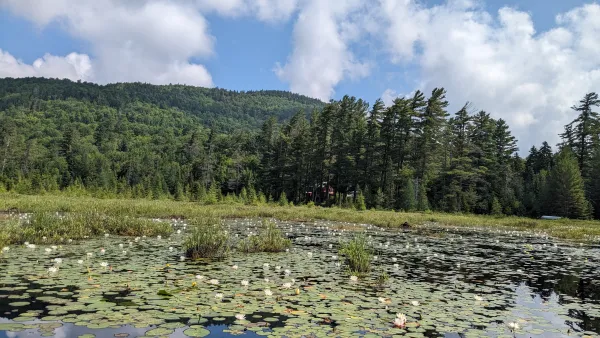
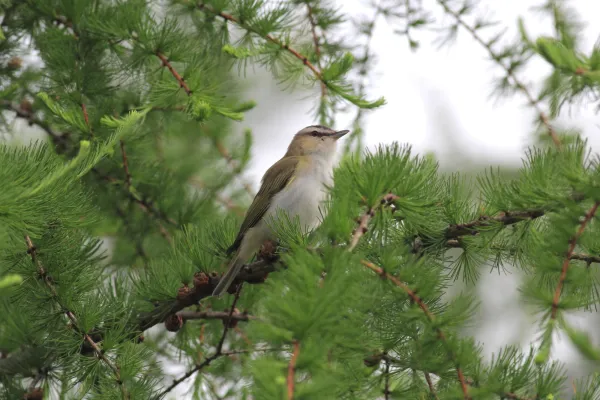
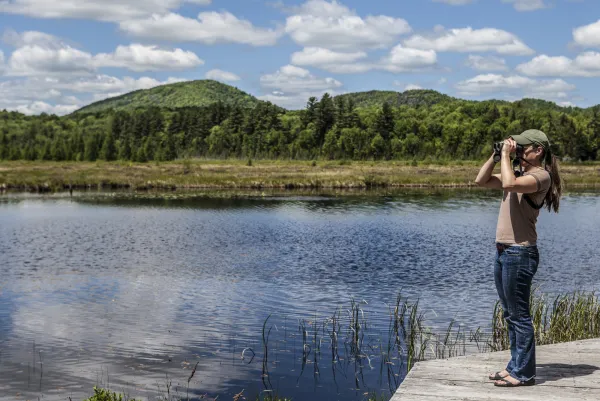
Browse all
Frequently Asked Questions About Birding in Saranac Lake
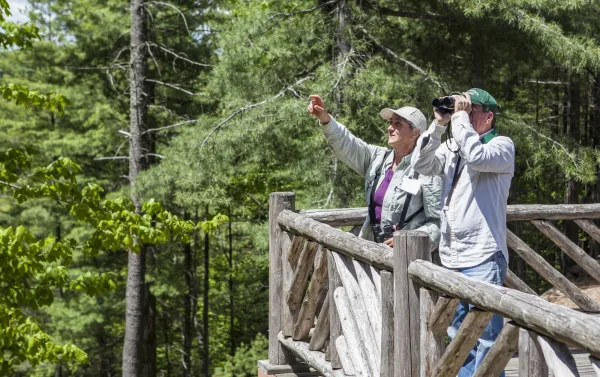
The Paul Smith’s College VIC is one place birders can visit where a wide variety of bird species can be found.
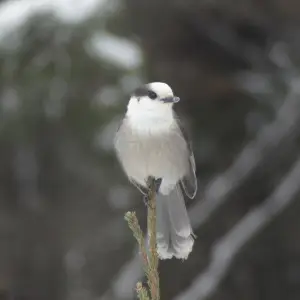
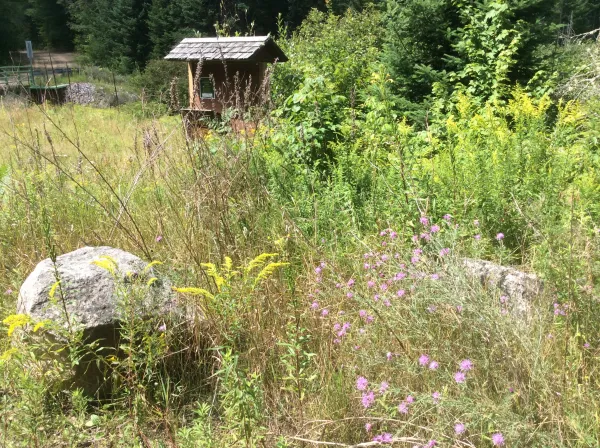
Another favorite birding location is the Bloomingdale Bog. This is a known haunt for the friendly Canada Jay. Other boreal species, like Boreal Chickadees, can be found along the nearby Oregon Plains and Bigelow roads.
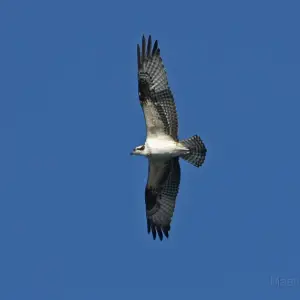
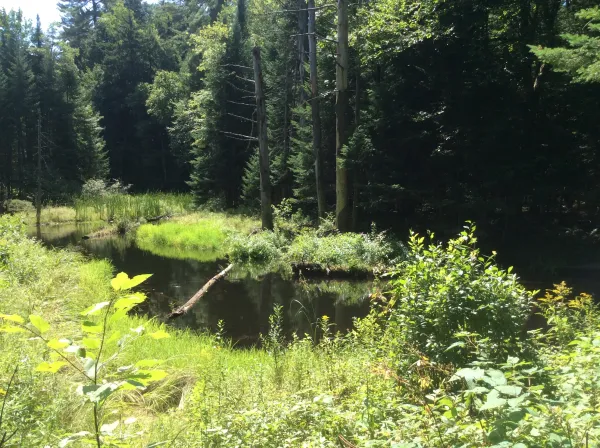
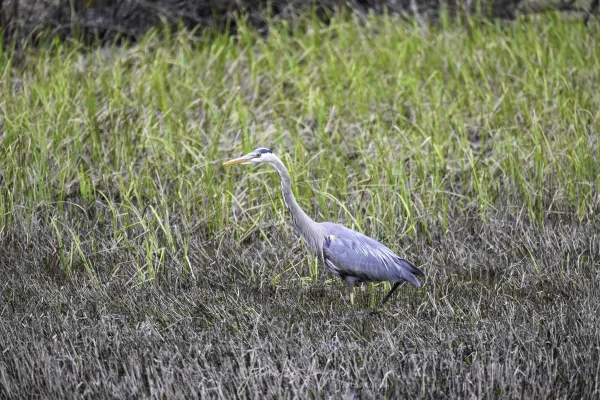
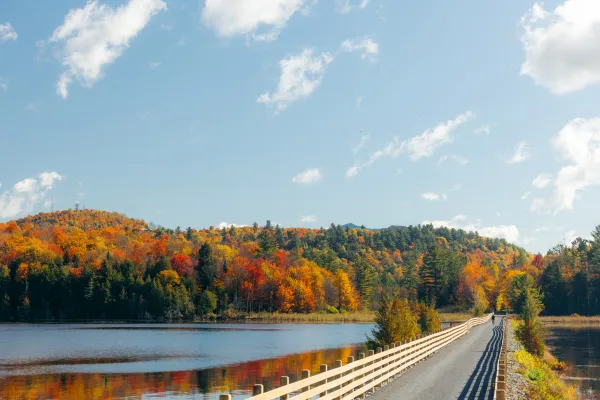
The Adirondack Rail Trail is ideal for birding! You may see Great Blue Herons, Osprey, and a variety of songbirds amid the woods and marshes along the trail.
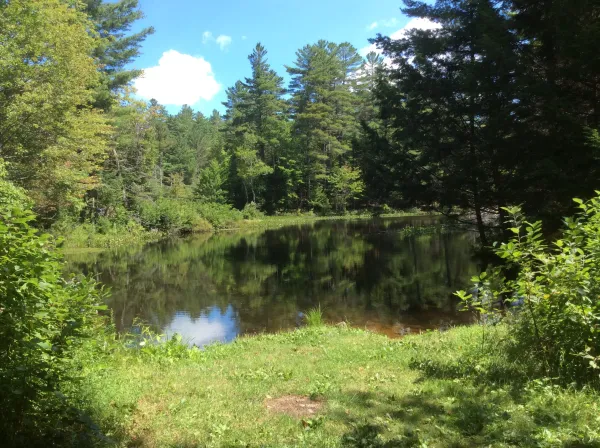
Places like the pond at the Saranac Lake High School and the shoreline around Lake Colby usually offer up such species as Osprey, Great Blue Herons, migrating shorebirds, and many species of waterfowl.
In winter, it’s not uncommon to find Common Redpolls or Evening Grosbeaks at feeders. As we progress into spring, species diversity greatly increases and birding becomes especially exciting as migrants pass through the area and nesting birds return to breed. Buffleheads can be found on many lakes, Olive-sided and Yellow-bellied Flycatchers return to take up residence in the bogs and marshes as we move toward summer, and warblers like Yellow-rumped Warblers and Northern Parulas sing all day long in many forests. Spring evenings are often marked by the hoots of Barred Owls and peents of American Woodcocks.
Summer is a time of plenty. Plenty of sunlight. Plenty of songs. Plenty of birds. Plenty of places open to explore. While the breeding species will stay for a few months, their exuberance of song is already quieting by the second week of July. Birders coming later in the summer will still find birds – but they may not be advertising themselves as conspicuously as a result.
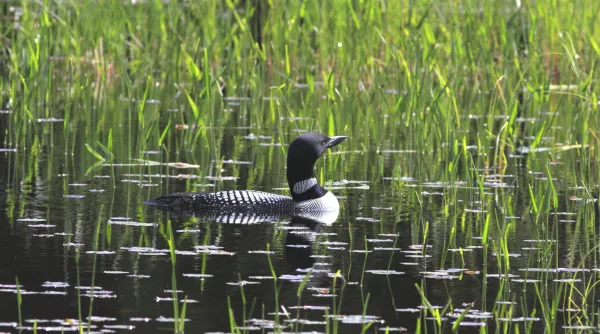
The transition into fall marks the beginning of a quieter time, but, still, there are birds to be found. The Song and White-crowned Sparrows of summer are replaced by Pine Siskins and Snow Buntings and, as the seasonal winds change directions, Commons Loons can gather in large groups on our lakes, preparing for their wintering grounds south of here.
The variety here is great! Here's a short list to pique your interest:
Red and White-winged Crossbills
Common Raven
Red-breasted Nuthatch
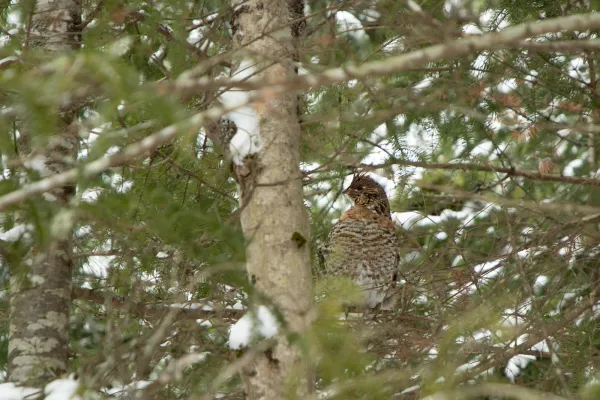
Ruffed Grouse
Black-capped Chickadee
Bobolink
American Kestrel
Pine Grosbeak
Downy and Hairy Woodpeckers
Explore birding adventures